INPAC Seseh Resource Recovery.
Partner with existing TPS facilities to create a waste education network, or build a new INPAC TPS for Seseh and surrounds with a proposed 1,000 MT/day design capacity. Both alternatives are aimed at fixing or measurably improving local air quality by ending open burning and uncontrolled incineration, with land, licensing and local collaboration central to delivery.
Two pathways for Seseh & surrounds.
One environmental ambition, two distinct delivery choices. Redevelop existing facilities through local partnerships, or establish a purpose-built new site. The programme focuses on Seseh and surrounds; the partner shortlist includes existing facilities in Cemagi, Munggu, Pererenan, Sempidi and Darmasaba. These are surrounding-area discussion candidates, not facilities all located in Seseh.
Option 1 · TPS partnerships & waste education
INPAC proposes partnering with existing TPS operators across Seseh and surrounds to redevelop their sites into waste education facilities. The five locations below are an initial potential partner shortlist, not signed partners or the full extent of the long-term network.
Potential TPS partner locations
Pins show approximate locality references, not facility entrances or secured partnerships. Land rights, operator agreements and licensing must be confirmed locally.
Five facilities. A coordinated transition.
INPAC proposes partnering with existing TPS operators across Seseh and surrounds to redevelop their sites into waste education facilities. The five locations below are an initial potential partner shortlist, not signed partners or the full extent of the long-term network.
Partner → Pilot → Expand → Manage
The programme aims to substantially reduce carbon emissions, improve local air quality and prevent dumping and burning through better treatment and community participation. These are intended environmental outcomes, not measured reductions or guarantees; establish baseline and follow-up monitoring at each participating site.
Published facility records identify discussion candidates only. Sempidi’s land figure is a proposed plot, not surveyed as-built land. No network throughput, fuel output or revenue forecast is assigned to this redevelopment option.
Redevelop. Sort better. Educate locally.
- Replace existing incinerators with pyrolysis machines where present, technically suitable and agreed with the operator; do not assume every candidate has an incinerator.
- Improve sorting, collection and material handling to increase effective treatment capacity and divert waste from dumping and open burning.
- Deliver practical community and school education on separation at source, responsible disposal and better waste management at scale.
The programme aims to substantially reduce carbon emissions, improve local air quality and prevent dumping and burning through better treatment and community participation. These are intended environmental outcomes, not measured reductions or guarantees; establish baseline and follow-up monitoring at each participating site.
Five potential partner facilities
| TPS / locality | Reported land | Partnership status |
|---|---|---|
| Sarwa Metu Wangi · Cemagi | 1,600 m² · reported plot | Operator agreement, tenure and permits to confirm |
| Jagat Lestari · Munggu · Banjar Sedahan | 4,600 m² · reported plot | Operator agreement, tenure and permits to confirm |
| Sudha Pertiwi · Pererenan | Not published | Operator agreement, tenure and permits to confirm |
| Bumi Resik Asri · Sempidi | 1,000 m² · proposed plot | Operator agreement, tenure and permits to confirm |
| Pudak Mesari · Darmasaba | Not published | Operator agreement, tenure and permits to confirm |
Published facility records identify discussion candidates only. Sempidi’s land figure is a proposed plot, not surveyed as-built land. No network throughput, fuel output or revenue forecast is assigned to this redevelopment option.
Gradual rollout with local partners
- 01Partner discussions & site audits — confirm operators, land rights, current equipment, community needs and permit pathways.
- 02Pilot redevelopment & education — agree a pilot location collaboratively, upgrade sorting and suitable treatment, and start community programmes.
- 03Phased network upgrades — extend lessons to participating facilities as agreements, licensing and readiness allow; no site ranking or fixed phase dates are assumed.
- 04Ongoing management & monitoring — maintain equipment, train teams and track waste diversion, air quality and community participation.
Open burning and uncontrolled incineration are major contributors to local air pollution. Both alternatives replace them with contained processing — Option 1 at partner sites, Option 2 at one purpose-built site — with the intended result that Seseh's air is fixed or measurably improved: less smoke, less odour and lower emissions. Improvement is confirmed by stack and ambient monitoring at each site, not assumed.
Sources · published TPS3R records
- [1] Sarwa Metu Wangi · detikBali · 16 Jan 2026
- [2] Jagat Lestari · land 4,600 m² · 11 Jan 2023
- [3] Jagat Lestari · DenPost · 1 Jan 2026
- [4] Sudha Pertiwi · Pererenan village · 4 Mar 2026
- [5] Bumi Resik Asri · NusaBali · Jul 2026
- [6] Sempidi · proposed land 1,000 m² · 24 Aug 2023
- [9] Cemagi · reported land 1,600 m² · 25 Jan 2023
- [8] Pudak Mesari · opening equipment · 11 Jan 2023
Option 2 · A new site for Seseh
Build an entirely new, purpose-built INPAC TPS for Seseh and surrounds with a proposed design requirement of 1,000 MT/day. This is a new-site planning target, not the existing capacity of the five partner facilities and not an approved or commissioned plant.
Potential land search area
The outline indicates a land-only search area for Seseh and surrounds, extending inland and east; the ocean is excluded. It is an indicative search area, not a surveyed boundary or secured parcel.
One new site. Land open for discussion.
The search is focused on land around Seseh and surrounding communities, including inland and eastern areas. The outline is not an administrative boundary or a confirmed waste catchment. Several land options are reported as available for discussion; none is secured; tenure and licensing (est. 12 months) come first.
Land → Licence → Build → Operate
Land, licensing & delivery requirements
| Requirement | Basis & status |
|---|---|
| Land | A few land options are reported available for discussion. No parcel is secured or surveyed in this proposal; agree suitability, area, access and tenure with local partners. |
| Licensing | Required; estimated 12 months, subject to agency review, environmental assessment and site-specific requirements. This is not an approval guarantee. |
| Construction | Indicative build period of roughly 12 months after land, permits and commencement conditions are satisfied. Licensing and construction are separate stages; no 12-month overall opening date is promised. |
| Engineering & operations | Validate land area, feedstock supply and composition, sorting, moisture, rejects, emissions controls, utilities and fuel offtake before fixing the final plant design and stream split. |
Illustrative pyrolysis & RDF model
| Model item | Planning estimate |
|---|---|
| Design capacity | 1,000 MT/day |
| Pyrolysis input | 400 MT/day |
| RDF sorting & sales input | 600 MT/day |
| Fuel mass yield | 40% |
| Fuel volume approximation | 400 L/MT at assumed fuel density 1 kg/L |
| Fuel output / day | 160,000 L |
| Fuel price / litre | USD 0.35 |
| Fuel sales / day | USD 56,000 |
| RDF price / MT | Rp 250,000 |
| RDF sales / day | Rp 150 juta (≈ USD 9,091) |
| Tipping fee / MT | Rp 200,000 |
| Tipping revenue / day | Rp 200 juta (≈ USD 12,121) |
| Combined gross revenue / day | USD 77,212 |
| Assumed operating days / year | 260 |
| Combined gross revenue / year | USD 20.08M |
Planning scenario only: of the proposed 1,000 MT/day design capacity, 400 MT/day is modelled as pyrolysis feed at 40% fuel mass yield and assumed density 1 kg/L, and the remaining 600 MT/day is sorted and sold as RDF at Rp 250,000/MT. Actual suitability, moisture, sorting losses, density, yield and RDF offtake require engineering validation. Fuel is priced at USD 0.35/L; tipping is counted once at Rp 200,000/MT across the full 1,000 MT/day, converted at Rp 16,500/USD. The 260-day operating assumption excludes downtime. Figures are gross sales before operating costs, maintenance, taxes, financing and residues. Confirm supply, permits and offtake contracts before relying on these figures.
Open burning and uncontrolled incineration are major contributors to local air pollution. Both alternatives replace them with contained processing — Option 1 at partner sites, Option 2 at one purpose-built site — with the intended result that Seseh's air is fixed or measurably improved: less smoke, less odour and lower emissions. Improvement is confirmed by stack and ambient monitoring at each site, not assumed.
 are the challenge. are the solution.
Waste Education is the collective responsibility we share for how waste moves through our communities. Operating waste sites become Living Learning Labs: places for research, education and experimentation that communities, schools and visitors can see working.
Waste infrastructure as a site for research, education and experimentation.
Making waste systems understandable beyond the people who operate them.
Connecting operating waste systems with scientific research.
Exploring waste through art, materials, design and new technology.
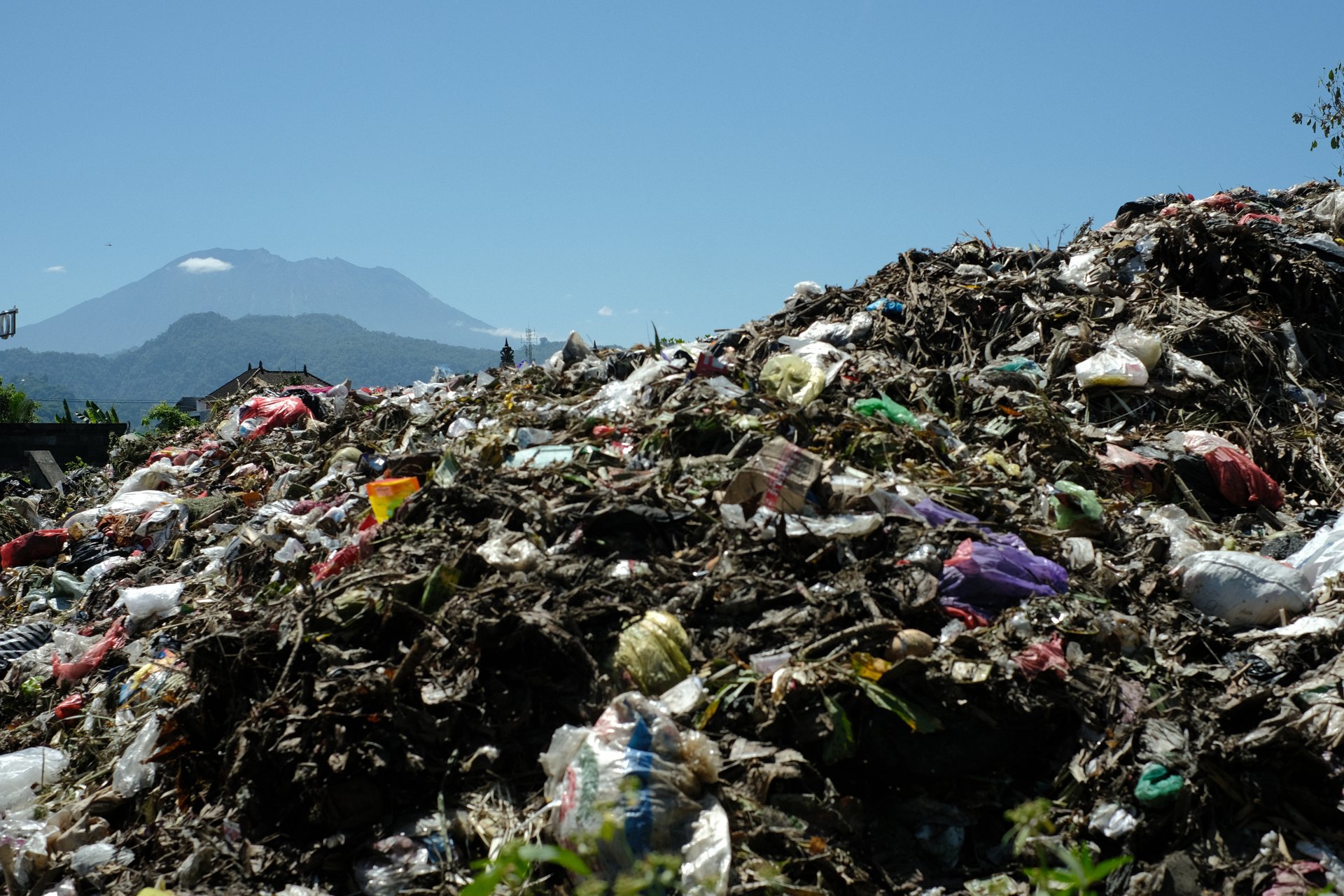
Where dumping and open burning persist, sites are proposed for remediation and redevelopment into community waste education facilities, subject to land tenure, environmental assessment and local partner agreement.
Education and environmental benefits are programme goals, not guaranteed results.
Tested, measured, verified.
Historical technology validation: stack emissions tested at INPAC’s Klungkung reference plant meet or beat the applicable national standard. These results support technology due diligence for Seseh; they are not tests of the candidate Seseh-area land locations.
Stack emissions — inside national limits
Tested 31 August 2026 at the TOSS Center, Kusamba, Klungkung by the Bali Province UPTD Hyperkes & KK (KAN-accredited) against Minister of Environment & Forestry Regulation P.70/2016 for thermal waste processing. Four units tested: two F4000 pyrolysis machines, one F750, and the F780 distillation unit.
| Parameter | Measured (4 units) | National limit | Result |
|---|---|---|---|
| NOx | 198.7–245.3 mg/Nm³ | 470 mg/Nm³ | Pass — ~50% under limit |
| SO₂ | 12–85.3 mg/Nm³ | 210 mg/Nm³ | Pass — up to 94% under |
| Total particulate | 5–10 mg/Nm³ | 120 mg/Nm³ | Pass — >90% under |
| Opacity | < detection limit | — | Clean stack |
Ambient air at the site also tested within Government Regulation PP 22/2021 limits (SO₂, NO₂, CO, O₃, NH₃), and workplace noise measured 69.9–82.4 dBA against the 85 dBA threshold.
Original certificates
Now live in Bali.
Not a rendering. A system is installed and operating at the TOSS Centre in Klungkung, Bali, heating up and producing fuel every day. Bring a sample of your own waste and we will run it through in front of you.
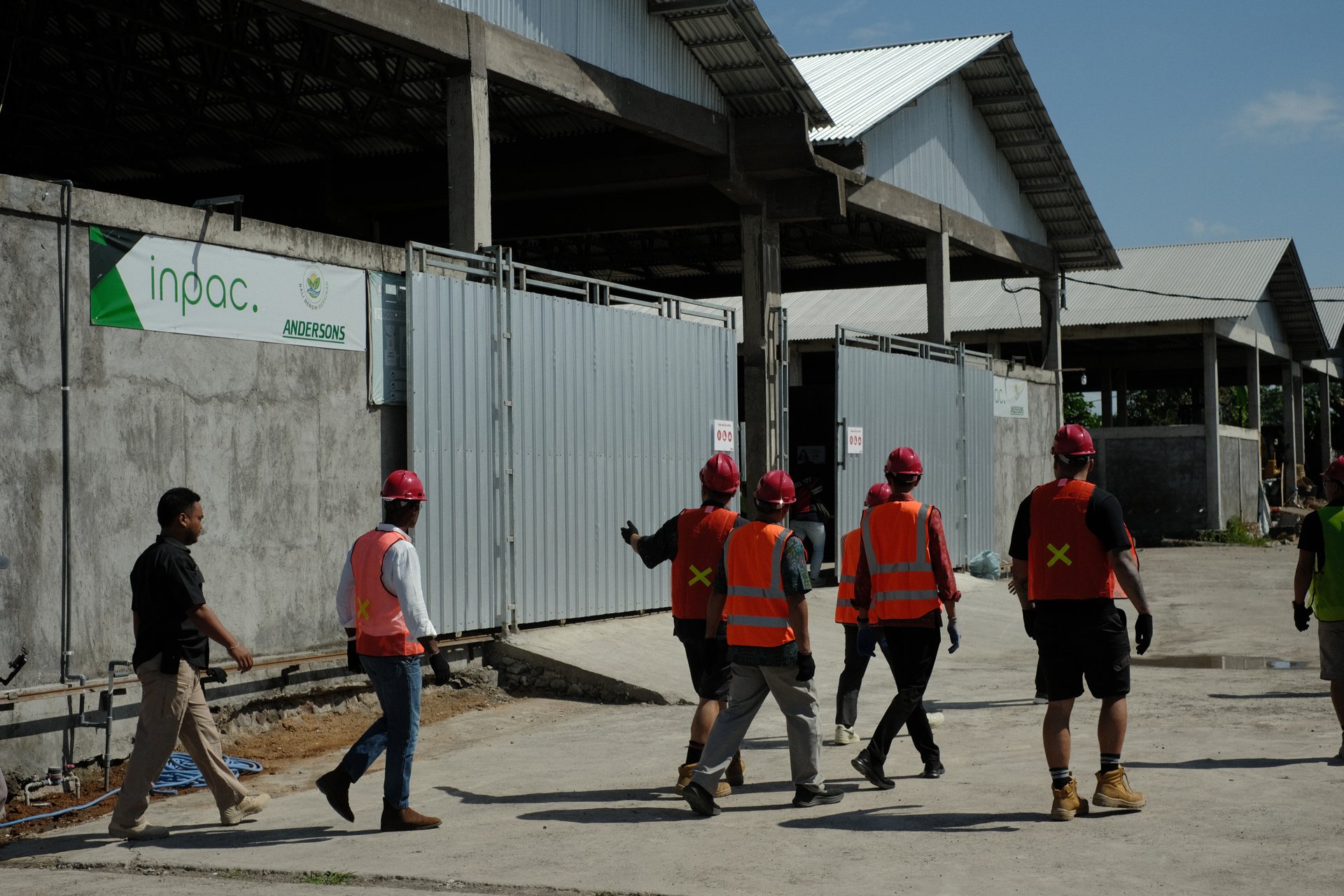
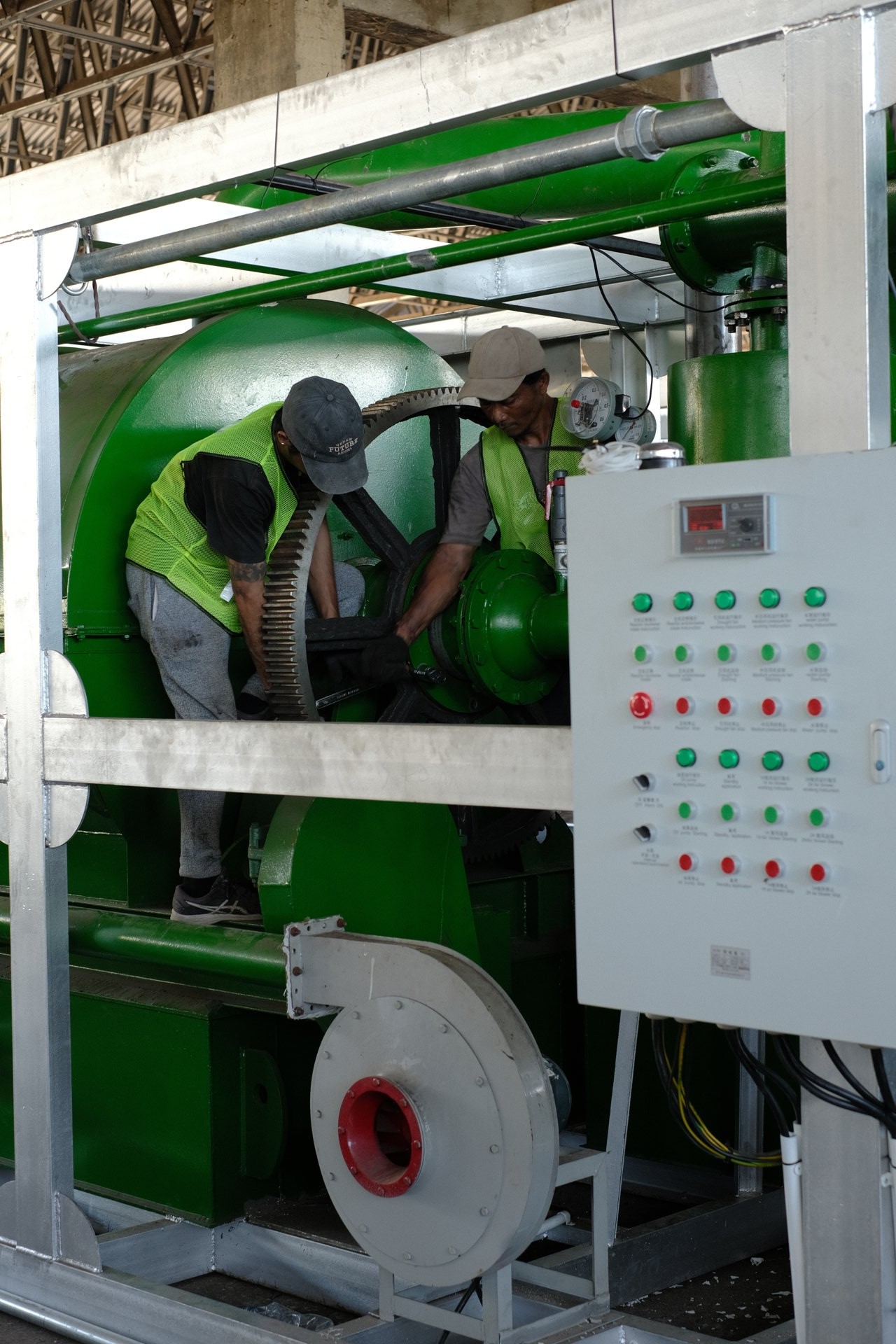
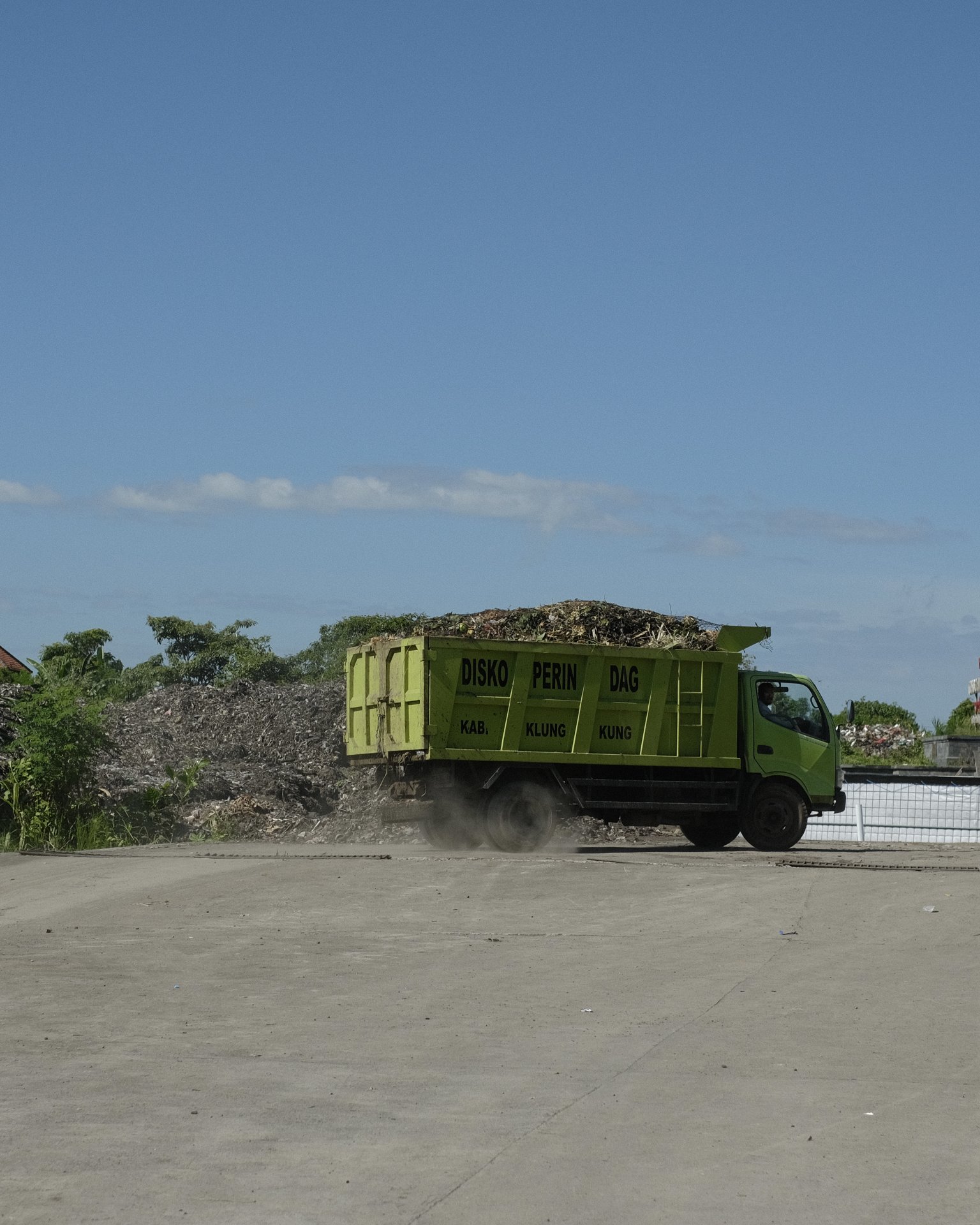
- Installed and operating daily at the TOSS Centre, Klungkung.
- Stack emissions independently tested within national limits.
- Site visits and live waste trials available on request.
Why INPAC — the people delivering this.
A multidisciplinary team combining infrastructure delivery, Indonesian operations, legal, commercial and strategic expertise.
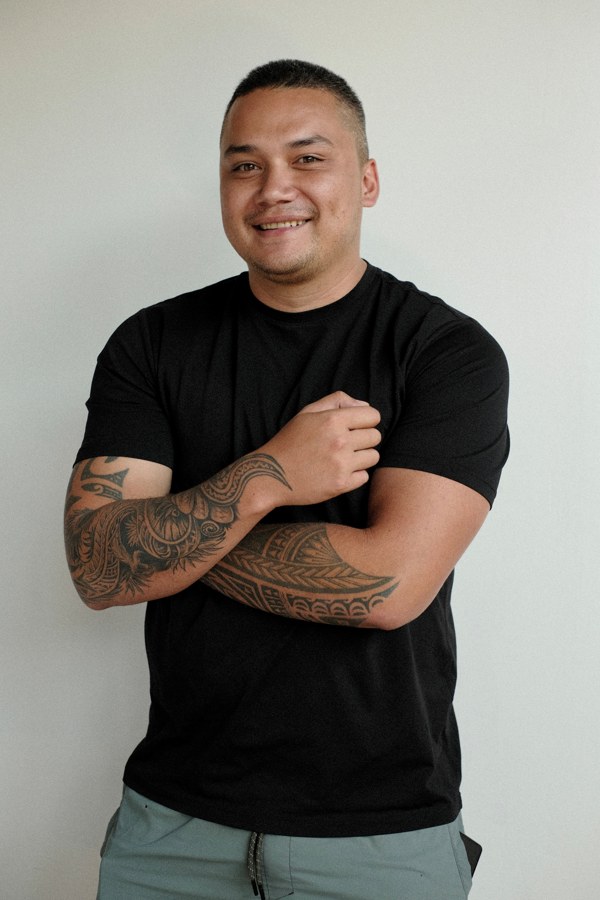
CEO & Founder · Global Lead
Aaron Anderson
Leads international project development, strategic partnerships and infrastructure delivery. Second-generation infrastructure leader connected to the Andersons Group, with deep Pacific and Asia-Pacific experience across sustainable infrastructure, renewable energy and logistics.
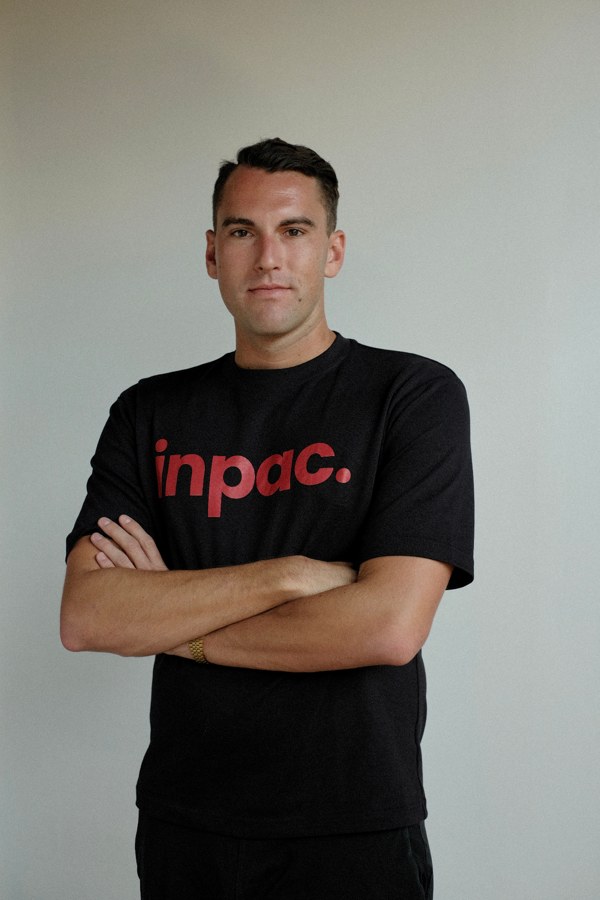
Co-Founder · Director of Operations
Justin Lampert
Oversees day-to-day operations across INPAC Solutions' project sites, ensuring delivery, safety, and quality standards are met at every stage.
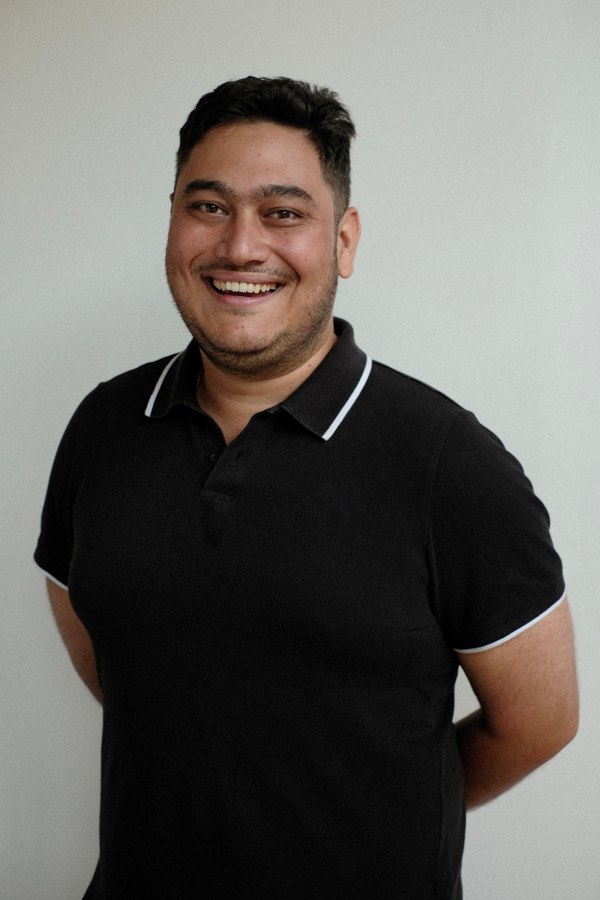
Director · Co-Founder
Anak Agung Pablo Subamia
Leads INPAC's Indonesian relationships, local development pathway and community engagement. Provides the Indonesian execution layer — government, regulatory, site coordination and community trust.
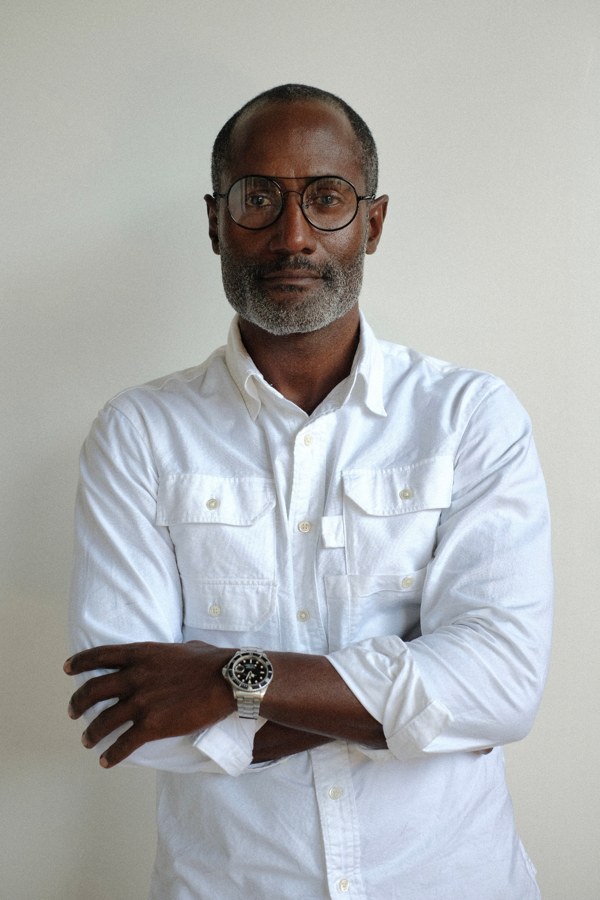
Director of Strategy
Everard Findlay
Helps shape INPAC's long-term direction, partnerships, and positioning as a model for sustainable infrastructure and resource innovation.
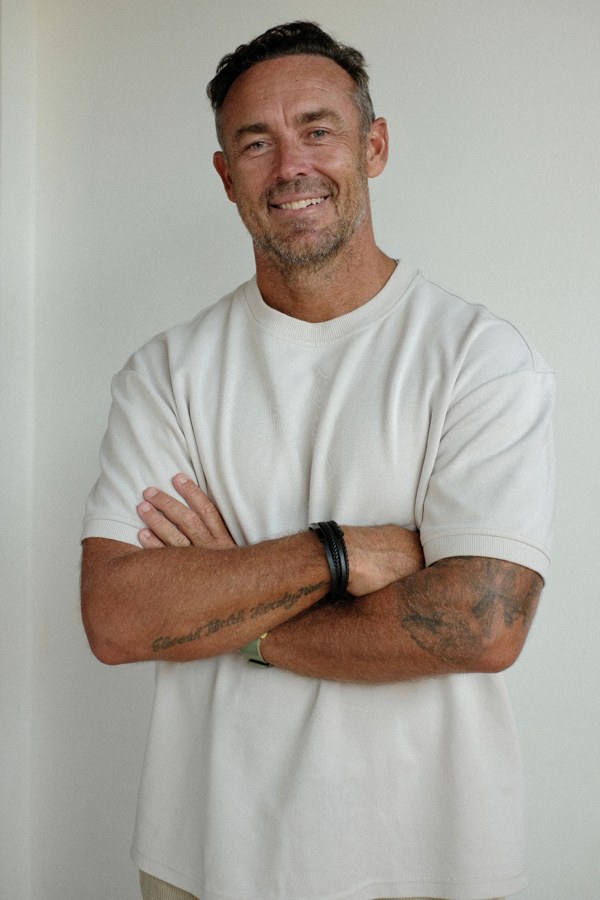
Director · Business Development & Partnerships
Lucas Gresham
Leads INPAC's commercial pipeline and partnership development across the Asia-Pacific.
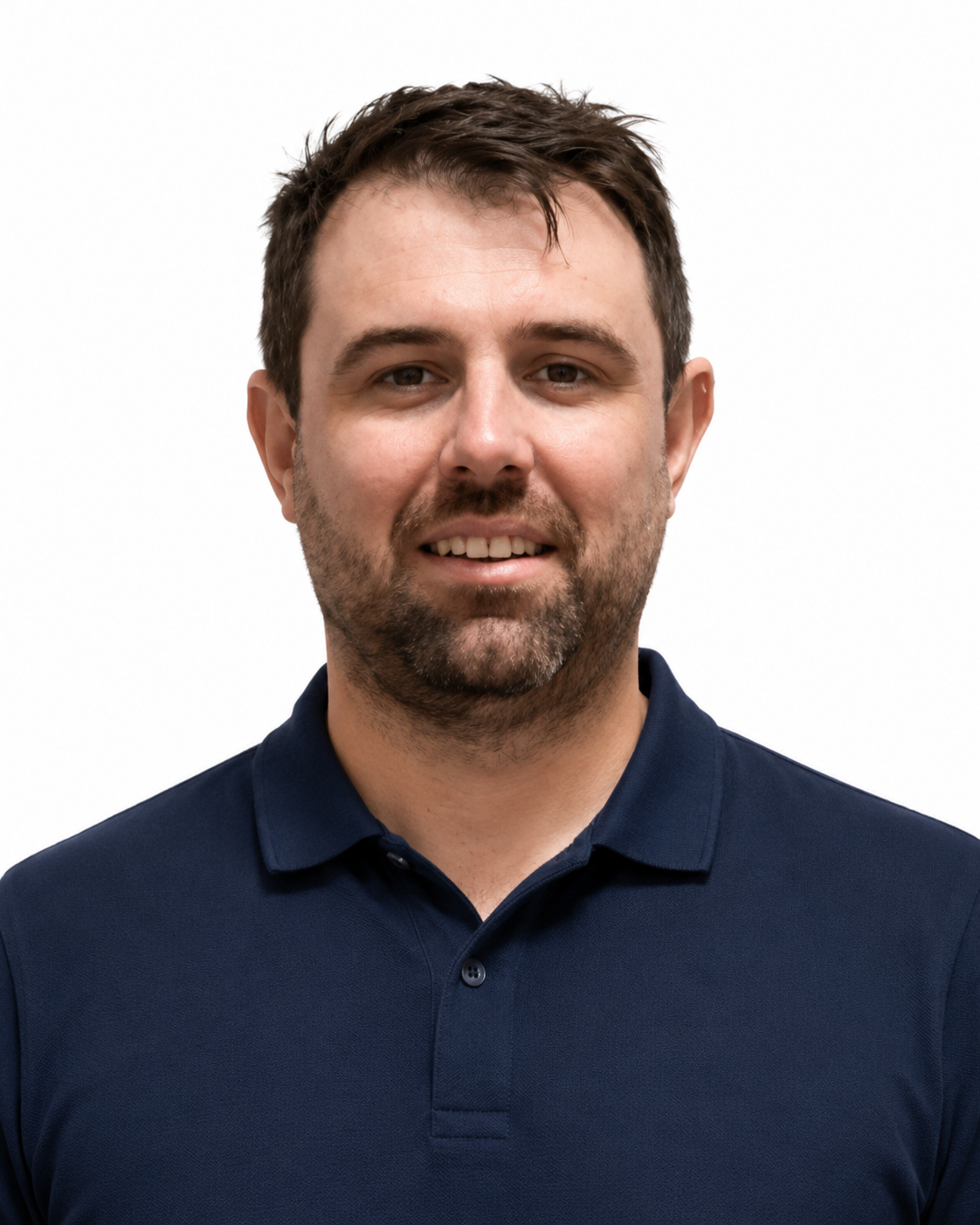
Head of Business Development
Darren Feltus
Drives INPAC's commercial growth across the Asia Pacific, building the partnerships and pipelines that bring sustainable infrastructure projects from early conversations to delivery.
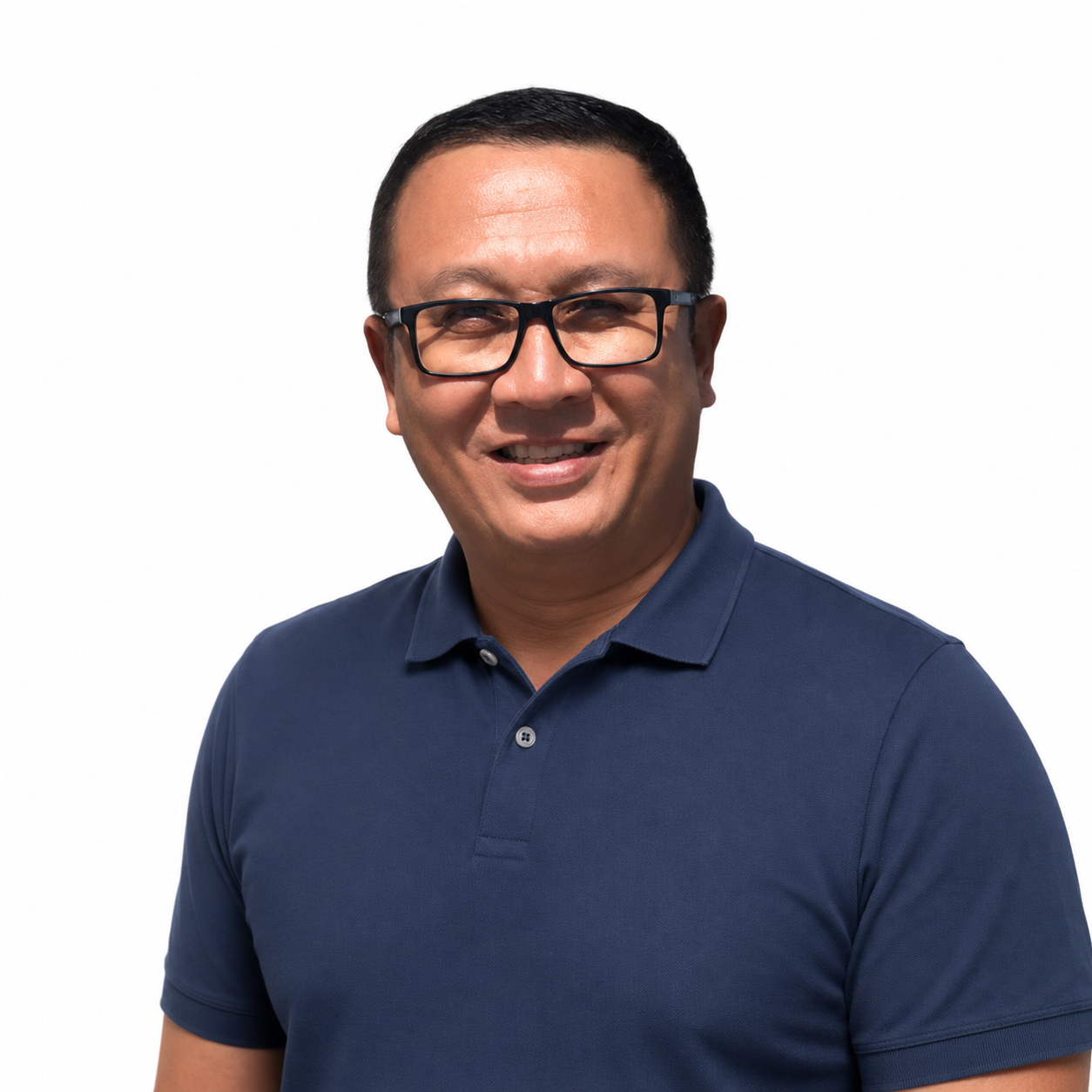
Technical Operations
Gde Kurniawan
Accomplished hospitality executive and project management professional with over 30 years of experience in hotel development, resort operations, and construction across Bali and the wider Asia Pacific.
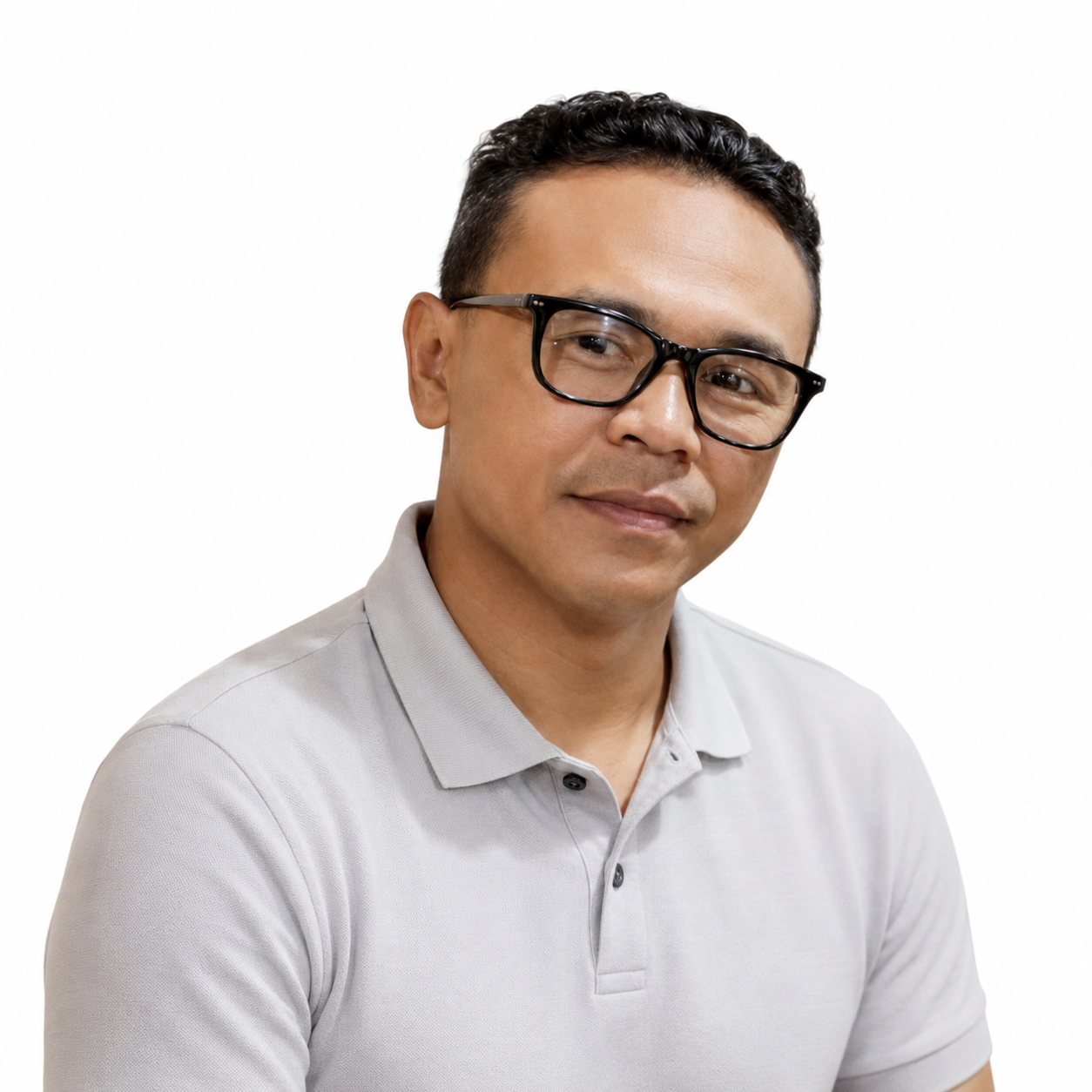
Legal Officer
I Ketut Budi Hartawan, SH
Experienced lawyer, entrepreneur, and business executive with over 15 years of expertise in legal consulting, hospitality, property management, and corporate leadership.
INPAC is supported by the Andersons Group network for technical knowledge, infrastructure experience and installation. The objective is to train local Indonesian teams so operation, maintenance and future installation capability can be developed locally.
Agree the Seseh delivery plan.
- Choose Option 1 or Option 2.
- Review the programme scope, land, licensing and approvals.
- Finalise project-specific legal and commercial documentation.
Important notice. This proposal is confidential and indicative only. It is not a public offer, prospectus or guarantee of return. The programme remains subject to due diligence, project-specific approvals, executed documentation, legal and regulatory review, KYC/AML requirements and agreement between the relevant parties.